Medical Bracing
& Orthopedic Support
Custom Orthotic Support in Arizona
Not all braces are created equal. At Desert Spine and Sports Physicians, our board-certified, fellowship-trained physiatrists and pain management physicians prescribe and fit medical-grade orthoses as part of individualized treatment plans — not as a generic add-on.
Whether you’re experiencing acute neck or back pain, managing a vertebral compression fracture, or living with knee osteoarthritis or carpal tunnel syndrome, our comprehensive bracing and support services include musculoskeletal orthotics, back bracing, therapy devices, and mobility assist devices — all prescribed, fitted, and monitored by our experienced team.
Spine Orthotics
Spine orthotics are devices designed to support your back or neck and protect your vertebrae (the bones in your spine). They can limit certain movements that might cause harm and ease the pressure on specific areas of your spine.
Our team of specialists will work with you to find the right device for your needs. This could be a lumbar support brace for lower back strain, a TLSO for a thoracic compression fracture, a cervical collar for neck pain relief, or a lumbosacral corset for work support. The choice will depend on which part of your spine needs attention and how much support you require.
Spine conditions we commonly treat with orthotic support include:
- Lumbar radiculopathy due to disc herniation
- Thoracic and lumbar compression fractures, including post-kyphoplasty recovery
- Degenerative disc disease
- Lumbar instability
- Spondylolisthesis and spondylolysis
- Cervical strain and cervical radiculopathy
- Scoliosis
- Sacroiliac (SI) joint dysfunction
Knee Bracing for Arthritis and Joint Pain
If you're dealing with arthritis or recovering from an injury, medical-grade knee braces can be a great help. They can provide support, reduce pain, and improve your mobility while you heal or manage your condition. Our doctors take the time to assess your individual needs, looking at how your body moves and any specific issues you may have. This way, we can recommend the best knee brace for you, helping you stay active and comfortable.
Knee conditions we address with bracing include:
- Medial and lateral compartment knee osteoarthritis
- Patellofemoral syndrome and patellar tracking disorders
- Post-injection support during regenerative medicine recovery (PRP, BMAC)
- Ligamentous strains, tears, and instability
- Meniscus tears and associated joint instability
- Varus or valgus malalignment that affects joint loading
Musculoskeletal Orthotics
Orthotic support extends beyond the spine and knee. At Desert Spine and Sports Physicians, bracing recommendations are integrated into a broader spine and musculoskeletal care plan, supporting healing and preserving function while other therapies take effect.
Musculoskeletal conditions we commonly address with orthotics include:
- Rotator cuff tendonitis, arthritis, and instability
- Hip bursitis, gluteal tendonitis, and hip weakness
- Tendonitis (tennis and golfer’s elbow), ulnar neuropathy, and ligament injuries
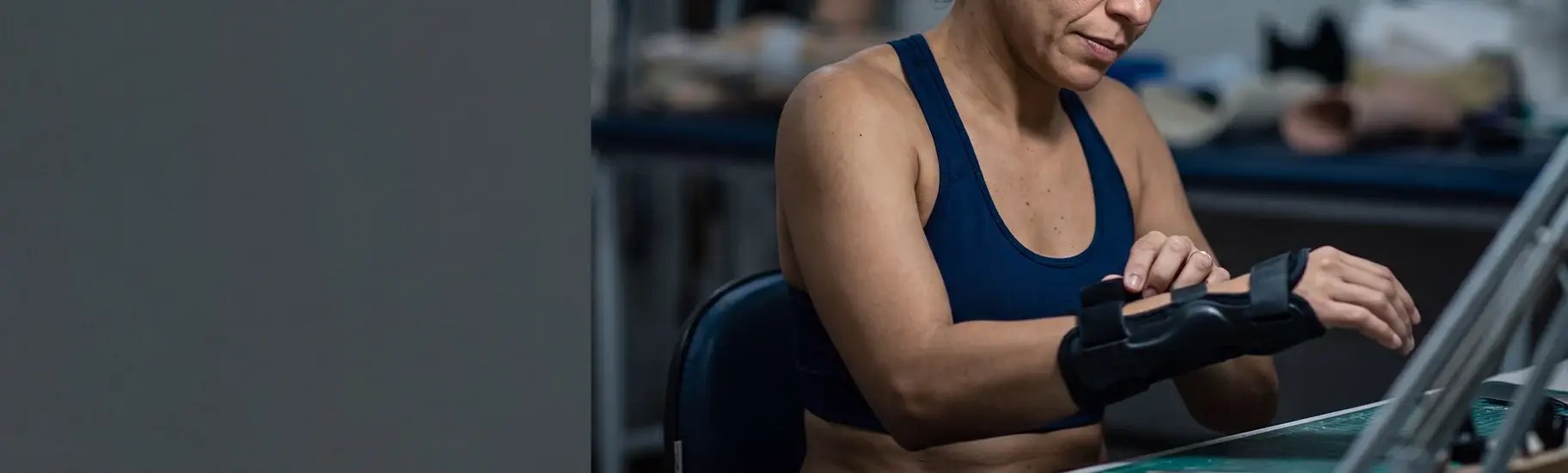
- Carpal tunnel syndrome, tendonitis, and wrist sprains
- Achilles tendonitis, ankle sprains, and instability
- Plantar fasciitis, flat foot (pes planus), and tendon dysfunction
- Foot drop from lumbar radiculopathy and peripheral nerve compression
- Sports-related soft tissue injuries across the kinetic chain
By addressing the root causes of pain and instability, not just the symptoms, our orthotics are designed to support healing and enhance long-term patient outcomes.
Mobility Assist Devices
Maintaining independence and staying active are essential parts of recovery and long-term well-being. Our physicians prescribe the right device for each patient's condition, ensuring proper fit and technique for maximum benefit and providing effective, non-invasive pain relief without the need for surgery or medication adjustments.
Devices we provide include:
- Single-point canes
- Quad canes
- Walkers
- Rollators
Whether you're experiencing an acute pain flare, managing a chronic condition, or addressing balance and stability concerns, the right mobility aid can reduce fall risk, relieve joint stress, and support improved mobility throughout daily life.
Therapy Devices for Rehabilitation and Pain Management
Desert Spine & Sports Physicians offers clinically proven therapy devices to support pain management and recovery as part of a comprehensive treatment plan, including:
- TENS Units (Transcutaneous Electrical Nerve Stimulation): TENS therapy delivers low-voltage electrical currents to targeted areas to interrupt pain signals and promote pain relief. These portable, easy-to-use devices are an effective non-invasive option for patients managing chronic or acute musculoskeletal pain.
- Cervical Traction Devices: Cervical traction gently decompresses the neck's joints and discs, relieving pressure on nerve roots and reducing pain associated with disc herniation, cervical radiculopathy, and neck stiffness. Our physicians will determine whether cervical traction is appropriate for your condition and provide guidance on safe, effective use.
How Bracing Works for Pain Management
A well-fitted brace does more than simply hold a joint in place. It works in three meaningful ways to reduce pain and support recovery.
First, it takes pressure off the structures that are hurting. Whether that means limiting the spinal movements that strain a damaged disc or shifting weight away from a worn knee compartment, reducing that mechanical load gives injured tissue a chance to settle and heal.
Second, it improves your body's awareness of how the spine or joint is moving. After an injury or with chronic joint problems, that sense of position and stability is often diminished, which is part of why re-injury is so common. A properly fitted brace restores some of that feedback, helping you move with greater confidence and control.
Third, it interrupts the cycle of irritation that keeps pain active. Many painful conditions are driven or worsened by repetitive stress on an inflamed structure. By reducing that daily aggravation, bracing creates a more stable environment in which other treatments, including injections, physical therapy, and regenerative medicine, can work more effectively.