A work injury can change how you move, how you sleep, and how confident you feel returning to your job. Whether pain started suddenly after an on-site injury or built up over time from repetitive strain, it’s frustrating when discomfort lingers longer than expected.
Fortunately, at Desert Spine and Sports Physicians, injured workers receive expert, non-surgical care focused on relieving pain, restoring function, and helping them return to work safely.
Understanding Work-Related Injuries That Cause Chronic Pain
Many workplace injuries respond well to early treatment, but when care is delayed or left unfinished, it sets the stage for chronic pain. Our experts commonly treat occupational injuries such as:
When Is Surgery Not the Best First Option?
Surgery is rarely the first or best step for most work-related injuries. In many cases, you can expect pain to improve significantly with conservative care that targets the underlying cause rather than masking symptoms.
Our physicians use non-surgical treatments whenever possible, helping patients avoid surgical risks, long recovery times, and opioid dependence. With the right combination of treatment, many injured workers regain strength and mobility without invasive intervention.
Non-Surgical Pain Relief Options at Desert Spine and Sports Physicians
There are several non-surgical pain relief options available. Your physiatrist and pain management specialist will work with you to determine the best approach based on your individual needs.
Physical Therapy and Occupational Therapy
We work closely with trusted therapy partners to create individualized rehabilitation plans. These programs focus on:
- Improving strength and flexibility
- Correcting movement patterns
- Reducing risk for reinjury
- Supporting safe return-to-work demands
Movement-based recovery plays a critical role in restoring function and preventing long-term disability.
Image-Guided Injections and Nerve Blocks
For patients whose pain doesn’t respond to therapy alone, we offer precise, image-guided procedures such as:
These outpatient treatments carefully target inflammation and pain, often without sedation and with minimal downtime.
Non-Opioid Medication Strategies
Medication may play a role in recovery, but we utilize non-opioid pain relief options whenever possible. Treatment plans involving medication may include:
- Anti-inflammatory medications (NSAIDs)
- Muscle relaxants
- Neuropathic pain medications, such as gabapentin
Adjunctive and Regenerative Therapies
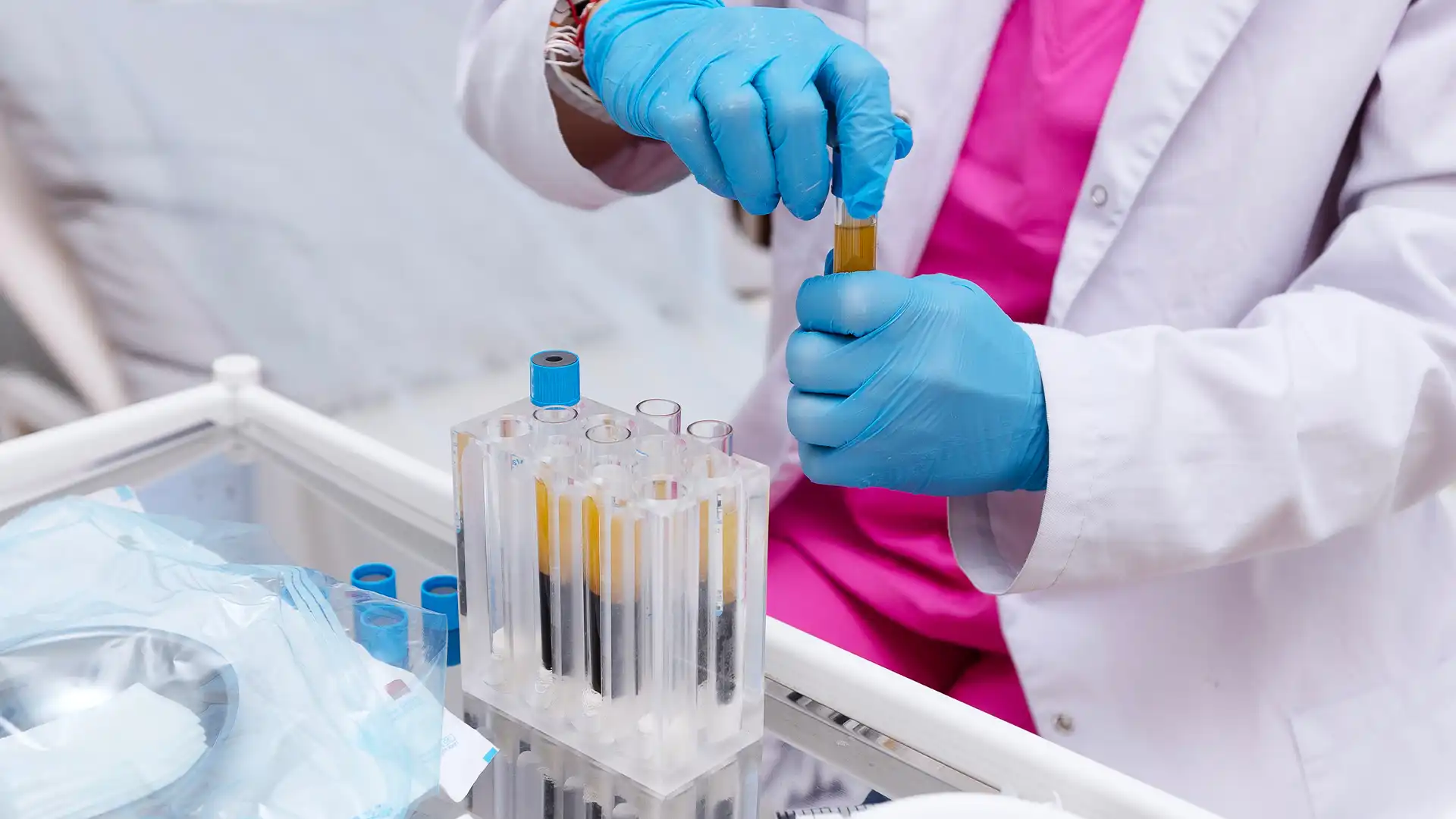
Some patients may benefit from regenerative treatments such as platelet-rich plasma (PRP) injections and bone marrow aspirate concentrate (BMAC). We also coordinate care with massage therapists, chiropractors, and acupuncturists.
Our physicians help patients understand which options are appropriate, which are available onsite, and which may be coordinated through referral to ensure that care stays aligned and effective.
Managing Nerve Pain After a Workplace Injury
Nerve-related pain often feels different from muscle or joint pain. Symptoms typically range from burning, tingling, and numbness to weakness or pain that radiates into the arms or legs.
We specialize in diagnosing and treating nerve pain caused by compression, trauma, or repetitive use. Electrodiagnostic testing is just one of the advanced tools we use to help pinpoint nerve involvement and guide treatments.
Why Early Pain Management for Work Injuries Matters
When patients wait too long to address a work injury, it can increase the risk for chronic pain, prolonged work absence, and permanent limitations. Early intervention helps:
- Control inflammation before pain becomes part of daily life
- Preserve mobility and strength
- Reduce lost wages and downtime
- Prevent escalating to surgical treatments
Don’t put off seeking care. Seeing a specialist for chronic pain after a work injury can lead to a faster recovery and better outcomes.
When Should I Seek Help From a Pain Specialist?
If you’re experiencing pain that lasts more than a few weeks, numbness, weakness, or radiating discomfort, it may be time to consult a pain management physician.
Other signs that indicate a visit may be necessary include difficulty returning to work duties and minimal improvement with at-home treatments.
An evaluation can help clarify the underlying cause of your symptoms and prevent unnecessary delays in recovering from an occupational injury.
Injured? Don’t Wait Any Longer to Seek Help
We work closely within the workers’ compensation system to help you return to work safely and at the right pace. Depending on your needs, care may include:
- Assessments that help determine what tasks your body is ready for
- Support with modified or light-duty work options
- Ongoing communication with your employer, case manager, and providers
Chronic pain after a work injury shouldn’t decide how, or if, you can work.
Request an appointment with our team today and start your journey toward non-surgical recovery!
.png?width=1920&height=1080&name=Aligned%20-%20DSSP%20-%20Blog%20%E2%80%93%20Pain%20Management%20for%20Work%20Injuries%20(1).png)

 February 13, 2026