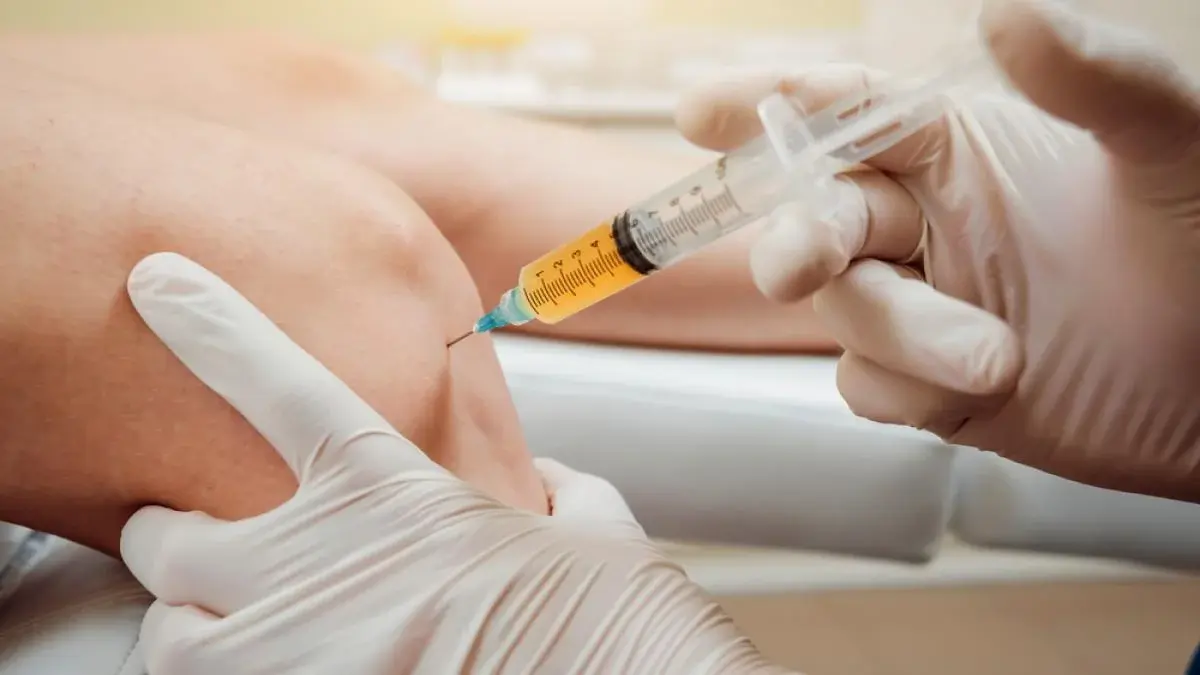
Hip pain—especially when tied to a labral tear—can be deceptively limiting. What begins as a dull ache often progresses into sharp discomfort, especially when moving, causing an inability to stay active. For many patients, traditional treatments like rest, anti-inflammatory medications, or cortisone injections provide only temporary relief, failing to address the underlying tissue damage.
This is where regenerative medicine offers a different path forward. Platelet-Rich Plasma (PRP) therapy is an advanced, non-surgical treatment designed to support the body’s natural healing process, targeting the root cause of pain rather than masking symptoms.
What Is PRP Therapy for Hip Pain and Labral Tears?
Platelet-Rich Plasma (PRP) therapy uses a concentrated solution of platelets derived from your own blood. These platelets contain powerful growth factors that play a critical role in tissue repair and regeneration. When precisely injected into the hip joint or surrounding structures, PRP stimulates healing in damaged tissues.
Labral tears—small but significant injuries to the fibrocartilage lining the hip joint—are a common source of persistent hip pain. These tears can disrupt joint stability, cause clicking or catching sensations, and limit mobility over time.
PRP works by enhancing the body’s natural healing response in these compromised tissues. By increasing collagen production and promoting cellular repair, it helps restore structural integrity while reducing pain and improving function.
Who Is a Good Candidate for PRP Hip and Labral Tear Treatment?
Not every patient with hip pain is an ideal candidate for PRP. How effective a treatment might be depends on the condition being treated, its severity, and the patient’s overall health.
Ideal Candidates for PRP include:
- Active adults or athletes with labral tears
- Patients with early to moderate joint degeneration
- Individuals seeking to avoid or delay surgery
- Those who have not achieved lasting relief from conservative care
Patients Who May Require Alternative Approaches:
- Advanced hip osteoarthritis with significant structural damage
- Complete labral detachment or severe instability
- Those with conditions requiring surgical correction
- Patients with certain underlying medical conditions affecting healing
While PRP can be helpful at any stage, it is most effective when used strategically, often earlier in the course of injury or degeneration.
PRP vs Other Hip Pain Treatments: What's the Difference?
Understanding how PRP compares to other treatment options is key to making an informed decision.
PRP vs. Cortisone Injections
Cortisone injections help reduce inflammation and provide short-term pain relief. However, they do not promote tissue healing and may offer diminishing returns with repeated use. In addition, repetitive use of cortisone can damage soft tissues. PRP, by contrast, is regenerative, meaning it focuses on repairing damaged tissue and improving long-term function.
PRP and Physical Therapy
Physical therapy remains a foundational component of hip pain treatment. While therapy improves strength and biomechanics, PRP addresses the biological healing of injured tissue. In many cases, combining both approaches leads to more durable outcomes.
PRP Within a Comprehensive Treatment Plan
PRP is not a standalone solution—it is most effective when integrated into a comprehensive, individualized care plan. At Desert Spine and Sports Physicians, board-certified physiatrists and pain management specialists evaluate each patient thoroughly to determine where PRP fits within a broader strategy designed to restore function and reduce pain without surgery.
Schedule Your Hip Pain Evaluation in Arizona Today
Persistent hip pain requires more than a one-size-fits-all approach. At Desert Spine and Sports Physicians, our board-certified physiatrists and pain management specialists specialize in advanced, non-surgical treatments, including PRP and other regenerative therapies.
Each patient undergoes a comprehensive musculoskeletal evaluation to accurately diagnose the source of pain and develop a personalized treatment plan focused on long-term results. This commitment to individualized, evidence-based care reflects our mission to restore function and help patients return to active, healthy lives.
If you’re experiencing hip pain or have been diagnosed with a labral tear, schedule a consultation today to explore whether PRP therapy is right for you.

 April 17, 2026