A herniated disc can cause sharp back pain or radiating leg symptoms that makes sitting, standing, walking, and even sleeping difficult. When symptoms flare, many people worry that surgery is their only option. In reality, most herniated discs improve without an operation, especially when guided by a non-surgical spine specialist experienced in evidence-based treatment.
Understanding when surgery is appropriate—and when conservative or regenerative medicine options can work just as well—helps patients make informed decisions about their care.
Key Takeaways
- Most herniated discs do not require surgery.
- Surgery is typically reserved for severe or progressive symptoms.
- A physiatrist can help determine the safest, most effective plan.
Understanding Herniated Discs
A herniated disc occurs when the soft inner material of a spinal disc pushes through its tougher outer layer. This can irritate or compress nearby nerves, causing a range of symptoms depending on the location of the herniation.
Common symptoms include:
- Sharp or aching lower back pain
- Radiating leg pain (radiculopathy)
- Numbness, tingling, or burning sensations
- Weakness in the leg or foot
What causes a herniated disc? The following factors can play a role:
- Acute injuries: Lifting something heavy or twisting suddenly.
- Age-related degeneration: Discs naturally lose hydration and flexibility over time
- Repetitive strain: Activities that place repeated stress on the spine.
Many patients experience gradual improvement as inflammation settles and the disc heals. However, targeted medical guidance can speed recovery.
When Is Surgery Absolutely Necessary?
Surgery plays a crucial yet selective role in treating spinal hernias and is necessary in rare, but serious cases.
Surgery may be required when:
- There is loss of bowel or bladder control, indicating potential spinal cord involvement.
- There is significant or progressive weakness in the leg or foot.
- Severe spine pain persists despite 6 to 12 weeks of conservative treatment.
In cases when surgery is needed, procedures include:
- Discectomy: Removing the herniated portion of the disc to relieve nerve pressure.
- Laminectomy: Extracting part of the vertebral bone to create space around compressed nerves.
- Spinal fusion: Stabilizing the spine in cases of instability or recurrent disc injury.
While surgery can help in some cases, it also involves risks such as infection, nerve injury, prolonged recovery, or the potential for adjacent-segment degeneration.
Non-Surgical Solutions That Work for Back and Spine Pain
Most patients experience meaningful relief without surgery. Our physiatrists use evidence-based strategies designed to reduce pain, improve mobility, and support long-term spine health, including:
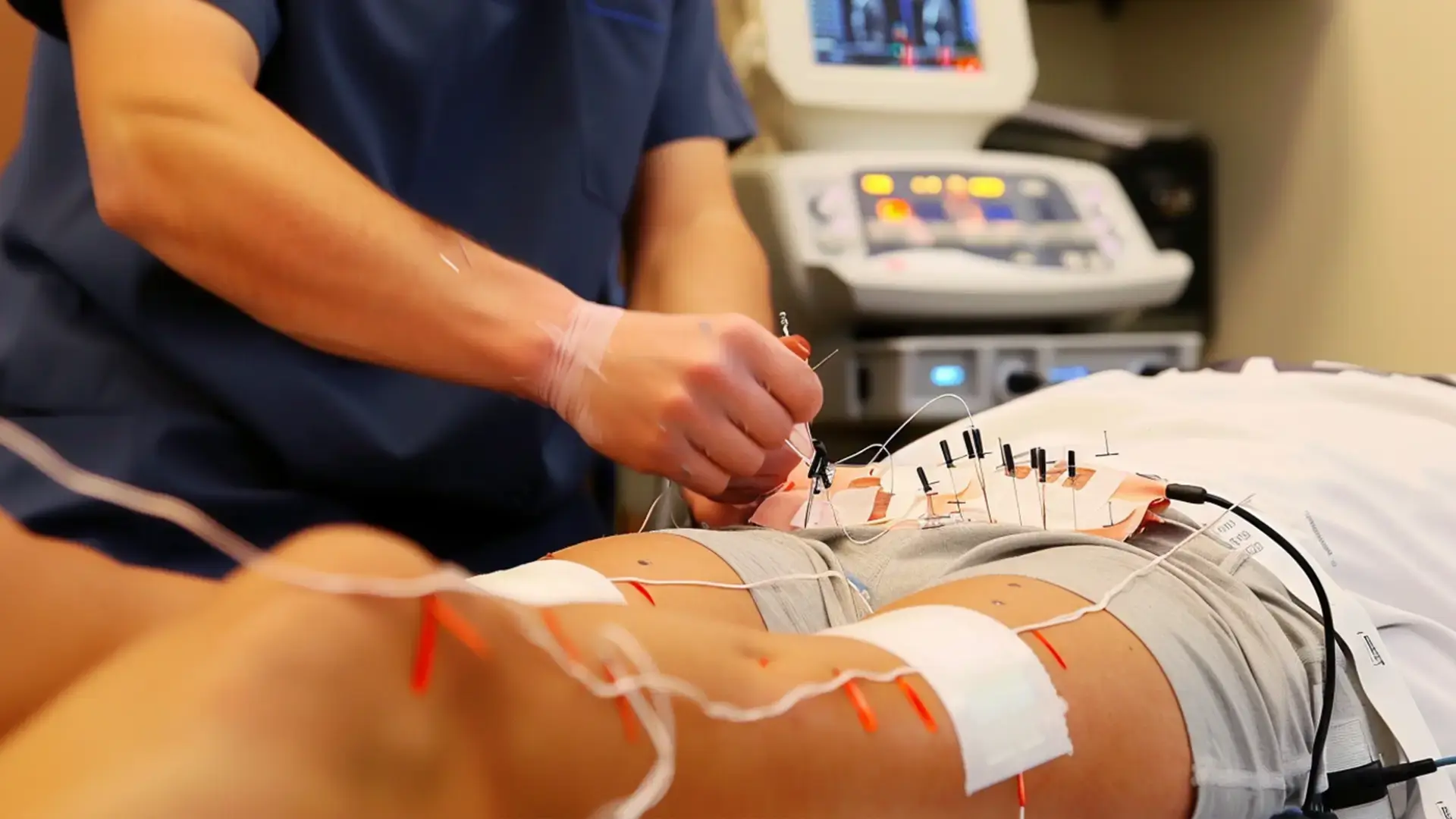
- Physical therapy: A structured physical therapy program focuses on improving flexibility, core strength, posture, and movement patterns that reduce stress on the spine.
- Injections: Epidural steroid injections reduce inflammation around irritated nerves and allow other treatments such as physical therapy to proceed with less pain.
- Medications: Short-term use of anti-inflammatories, muscle relaxants, or neuropathic pain medications may help ease symptoms as the disc heals.
- Activity modification and education: Adjustments to lifting techniques, sitting habits, and daily movements can prevent reinjury.
- Manual therapy and neuromuscular massage: These hands-on techniques can ease muscle tension and reduce soft-tissue pain.
- Regenerative medicine: PRP (platelet-rich plasma) therapy is a non-surgical therapy that uses the body’s natural healing cells to reduce inflammation and support tissue repair. PRP uses concentrated platelets to stimulate healing and can be injected into the epidural space when there is compression or inflammation of a nerve root.
How to Decide What’s Right for You
Ultimately, determining whether surgical and non-surgical options are best for you depends on:
- The severity and duration of the symptoms
- Findings from imaging tests, such as MRI results
- Your activity level, goals, and overall health
- Response to initial conservative care
Second opinions are often helpful. Collaborative decision-making between physiatrists and surgeons ensures that patients receive the most appropriate and least invasive treatment for herniated discs possible.
When to See a Physiatrist At Desert Spine and Sports Physicians
The board-certified physiatrists and pain management specialists at Desert Spine and Sports Physicians provide thorough evaluations, advanced imaging when needed, electrodiagnostic testing, and tailored treatment plans rooted in non-surgical spine expertise.
If you’re experiencing any of the following symptoms, we encourage you to schedule an appointment with us:
- Back or leg pain that persists longer than a few weeks
- Symptoms that return repeatedly or disrupt daily activities
- Numbness, tingling, or weakness that does not improve
- A desire to avoid surgery and explore comprehensive non-operative treatments
Whether you’re struggling with a potentially herniated disc or something else, Desert Spine and Sports Physicians can help you find clarity and a safe, effective path forward. With multiple convenient locations across Arizona, it’s easy to access the expert, patient-centered spine care you need close to home. Schedule an appointment today.

 November 28, 2025

.png)