


 December 26, 2025
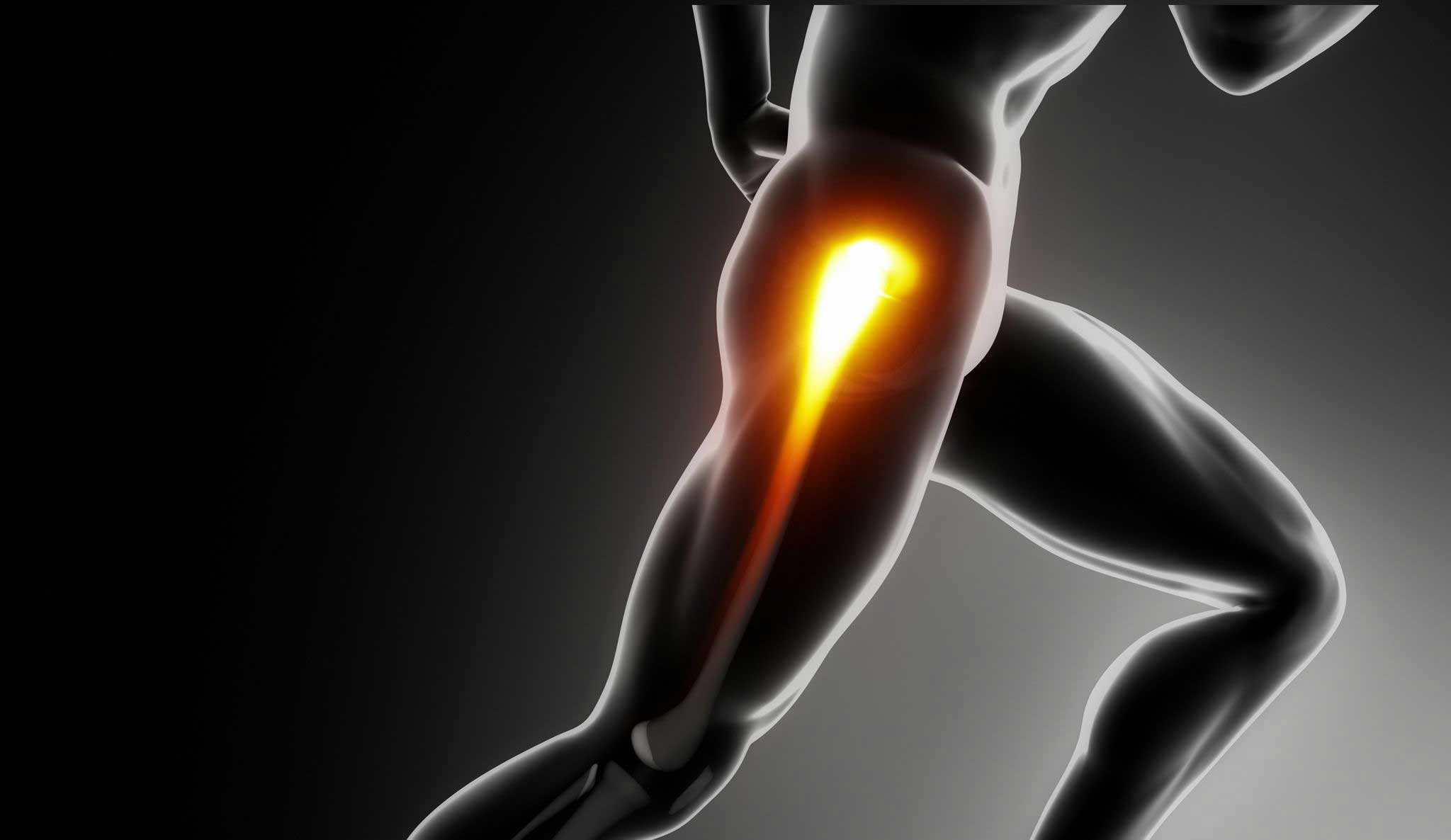
Musculoskeletal and spine symptoms can interfere with your quality of life, sleep, and daily activities. And while we may be tempted just to accept the interference, the reality is that persistent pain often signals an underlying tissue injury.
Fortunately, regenerative medicine offers non-surgical options to support healing, reduce pain, and restore function. This guide explains the differences between Platelet-Rich Plasma (PRP) therapy and Bone Marrow Aspirate Concentrate (BMAC)or stem cell therapy, and how your physician determines the most appropriate treatment.
Main Objectives of Regenerative Medicine
Whether you have a recent sports injury that needs attention or chronic pain in your joints and muscles, regenerative medicine focuses on harnessing the body’s natural healing process to repair tissue, alleviate pain, and enhance function.
In musculoskeletal and spine care, regenerative therapies may help:
- Enhance functional recovery after injury
- Slow or modify degenerative changes
- Stimulate cellular repair
- Support tendon, ligament, cartilage, and joint health
Ultimately, regenerative treatments can help you move more comfortably, tolerate daily activities with less pain, and return to the functional tasks that matter to you.
What Is Platelet-Rich Plasma Therapy?
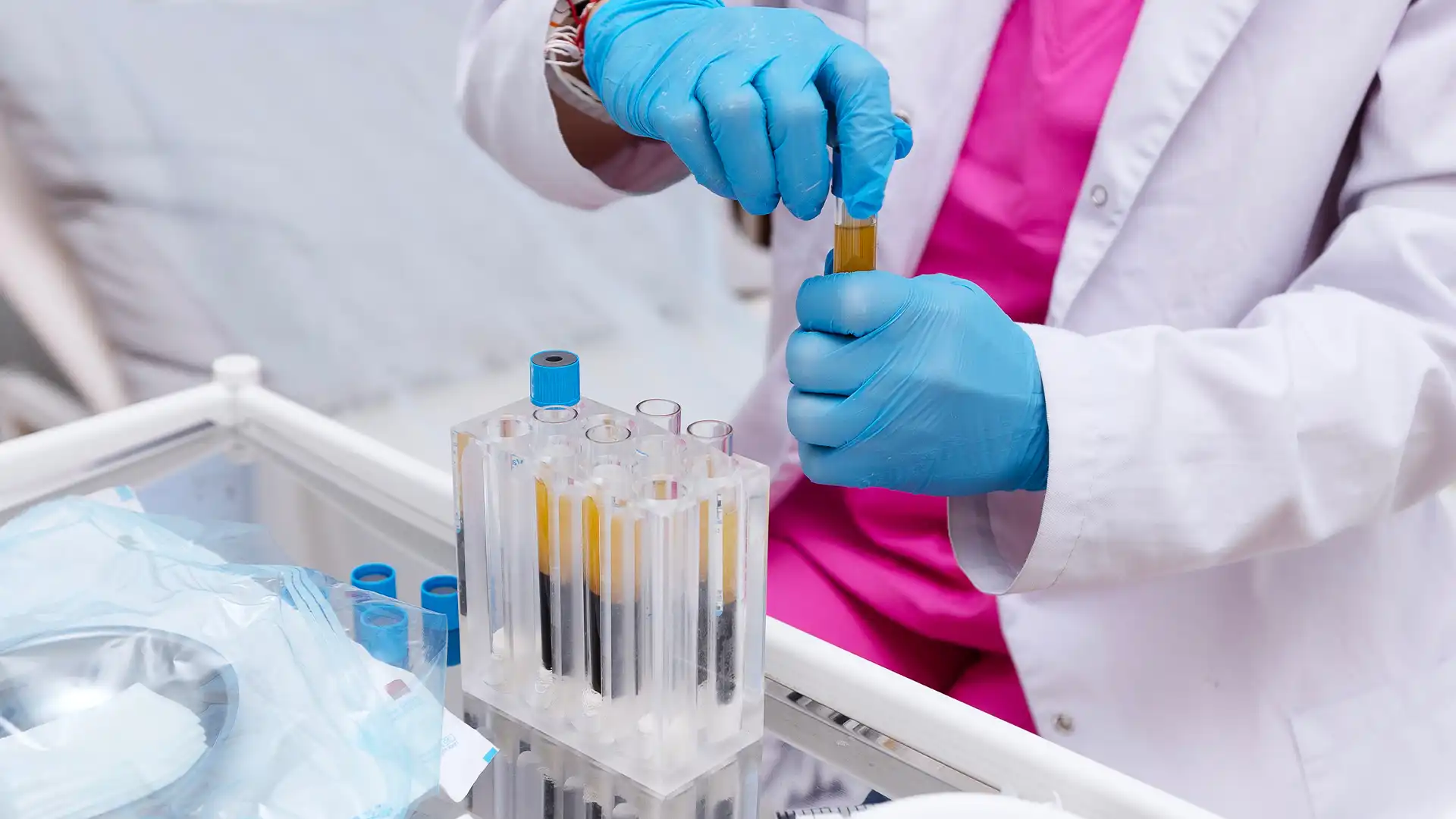
PRP therapy is created from a small sample of your blood, which is spun in a centrifuge to concentrate platelets. These platelets release growth factors that help stimulate the body’s natural tissue-repair response.
PRP is often used for early to moderate osteoarthritis, tendon injuries, tendinopathy, and joint or soft-tissue degeneration. Under ultrasound or fluoroscopic guidance, your physician injects the PRP solution to help support tendon and ligament healing, promote tissue remodeling, and maintain cartilage health.
After an injection, most patients experience mild soreness for a few days. Improvements typically develop over 6–12 weeks as tissue healing progresses, with many reporting reduced pain and better function.
What Is Stem Cell Therapy (BMAC)?
Bone Marrow Aspirate Concentrate uses stem and precursor cells taken from your own bone marrow. BMAC is an autologous therapy that is evidence-supported for advanced or persistent musculoskeletal and spine conditions.
Essentially, BMAC works by drawing bone marrow from the pelvic bone, processing it to concentrate stem and precursor cells, platelets, and growth factors, and then injecting it into the targeted area under image guidance including ultrasound and fluoroscopy.
BMAC promotes repair through anti-inflammatory signaling, high concentrations of growth factors, and supportive stem and precursor cells, helping improve symptoms in areas with more significant degeneration.
BMAC may be appropriate for advanced osteoarthritis with substantial cartilage loss, chronic spine or disc degeneration unresponsive to conservative care, and severe tendon or ligament injuries, especially those with significant tears or long-standing dysfunction.
Key Differences Between PRP and Stem Cell Therapy (BMAC)
PRP and BMAC are both regenerative treatments, but they work differently and serve different needs. This comparison breaks down the key distinctions to help you understand which may be right for your condition.
.png?width=800&height=1101&name=DSSP%20-%20Blog%20-%20Stem%20Cell%20Therapy%20vs%20PRP_%20Advanced%20Regenerative%20Medicine%20Guide%20-%20Infographic-01-13-26%20(1).png)
Which Treatment Is Right for You?
Choosing between PRP and BMAC depends on a thorough clinical evaluation. To determine the most appropriate treatment, your physiatrist will consider your:
- Activity level
- Degree of degeneration
- Functional limitations
- Imaging findings
- Severity of the condition
- Treatment and recovery goals
Your treatment plan should set realistic expectations and focus on long-term improvement, mobility, and quality of life.
Cost and Insurance Considerations for PRP and BMAC Regenerative Therapies
PRP and BMAC are elective regenerative treatments, and insurance plans do not cover them. However, many patients can use HSA or FSA funds to help finance regenerative medicine treatments.
Desert Spine and Sports Physicians will help you avoid high-pressure upselling with transparent pricing based solely on your clinical need, allowing you to review all costs and expected outcomes before scheduling treatment.
Let Us Guide Your Regenerative Therapy Decision
Desert Spine and Sports Physicians’ board-certified, fellowship-trained physiatrists and pain management specialists guide you through your individualized, evidence-based treatment plan—with the precision of ultrasound or fluoroscopic guidance and backed by 18 consecutive years of Phoenix Magazine’s “Top Doc” recognition.
We invite you to explore your regenerative options by scheduling an appointment at any one of our six Arizona locations.



.png)