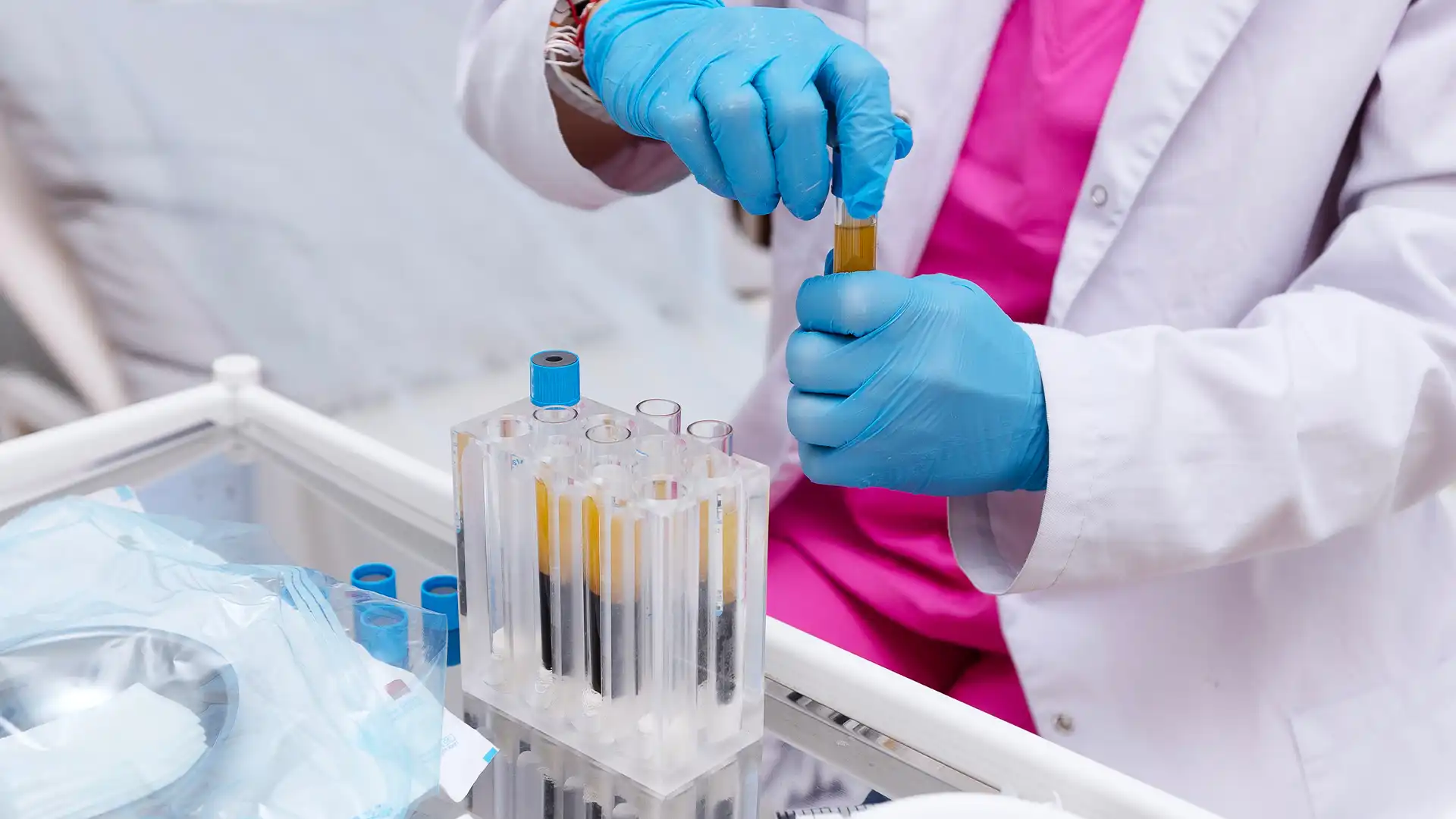
If you're exploring non-surgical options like platelet-rich plasma (PRP) injections or bone marrow aspirate concentrate (BMAC) therapy, you're likely dealing with a condition that hasn't responded to traditional treatments—maybe chronic joint pain, tendon injury, or degenerative arthritis. These regenerative therapies offer a promising path forward for pain relief and tissue healing, especially when surgery isn’t ideal or desired.
But before you book, it’s critical to understand one important reality: insurance does not cover PRP and BMAC. And if this is your first time navigating these therapies, the financial side can feel overwhelming.
What Are PRP and BMAC Therapies?
PRP and BMAC are regenerative injection therapies that use components from your own body to stimulate healing in injured or degenerative tissues. While both involve biologic products—platelets in the case of PRP, and stem cells in the case of BMAC—they differ in complexity, preparation, and, in some cases, the types of conditions they’re used to treat.
These therapies are often chosen over more conventional treatments, like steroid injections or long-term medications, because they address the root cause of pain, not just manage symptoms.
Patients with tendon injuries, joint degeneration, labral or meniscal tears, disc-related spinal pain and more may be particularly good candidates for these therapies when other options have failed, or when they want to avoid surgery.
Does Insurance Cover BMAC or PRP Therapy?
PRP and BMAC therapies are not covered by insurance, including private plans, Medicare, and Medicaid. Although both treatments are being used more and more in clinical practice, they are still considered investigational or elective by insurers. As a result, patients should be prepared to cover the full cost of treatment out-of-pocket.
Why Insurance Does Not Cover These Treatments
Although PRP and BMAC therapies are widely used in musculoskeletal, spine, and sports medicine, most insurance companies still classify them as elective or experimental treatments. This is largely due to how regenerative treatments are viewed within the current medical reimbursement framework.
Some of the reasons for lack of coverage include:
- Coverage Requires Consensus: Insurance policies require clear agreement on dose, technique, and indications; but PRP and BMAC use one’s own biologic material, making each injection inherently subject to variable platelet or cell concentrations.
- Policy and Standardization Challenges: Treatment methods and preparation techniques can also vary between providers, making it difficult to establish universal clinical guidelines.
- “Investigational” Label: Both PRP and BMAC are still considered investigational (which does not mean ineffective) by most carriers, meaning there is not yet enough uniform evidence to apply universal coverage.
- No Pharma Sponsor: There are no large Phase III trials for PRP and BMAC funded by pharmaceutical companies. Without this support, there is no financial motivation for regulatory (and universal) approval.
While there are well over 150 randomized controlled trials and thousands of peer-reviewed studies demonstrating the efficacy of PRP and BMAC, unfortunately, coverage tends to follow—not lead—clinical adoption.
How Much is PRP Therapy Without Insurance?
While pricing can vary by provider, region, and complexity, having a general cash pay cost range in mind can help you plan ahead. This is what you can expect when you choose Desert Spine and Sports Physicians.
PRP Therapy
- Joint or Tendon Injections: $950 (one site), $1,650 (more than one site)
- Intradiscal Injections: $2,000, $500 (per each additional disc)
PRP Therapy + BMAC
- Joint or Tendon Injections: $3,000 (one site), $350 (more than one site)
- Intradiscal Injections: $3,500, $500 (per each additional disc)
Most patients need just one treatment, but occasionally patients may need 2–3 treatments, which also increases the total out-of-pocket cost.
Final Thoughts: Planning Ahead for Regenerative Treatment
While PRP and BMAC therapies can offer lasting relief and an alternative to surgery, they also require a bit of thoughtful financial planning. Fortunately, many practices, including Desert Spine and Sports Physicians, accept Health Savings Accounts (HSAs) and Flexible Spending Accounts (FSAs), which can help reduce the out-of-pocket burden.
If you’re considering PRP and want clarity on PRP payment options, pricing, or scheduling your treatment, our team is here to help. Contact us today to discuss your options or request a consultation.
.png?width=1920&height=1080&name=Does%20Insurance%20Cover%20BMAC%20or%20PRP%20Injections%20(1).png)

 January 5, 2026