If your physician has recommended electrodiagnostic testing, one of your first questions is likely: Is it painful?
It is a fair concern. The word “needle” alone can make anyone uneasy. But for most patients, the experience is far more manageable than anticipated.
At Desert Spine and Sports Physicians, our board-certified physiatrists perform electrodiagnostic testing regularly to evaluate nerve and muscle function. Understanding what the test involves—and what it actually feels like—can help replace anxiety with confidence.
What Is an EMG Test and Why Do Doctors Recommend It?
Electrodiagnostic testing evaluates how well your nerves and muscles are functioning. It typically includes two components:
- Nerve conduction studies (NCS)
- Electromyography (EMG)
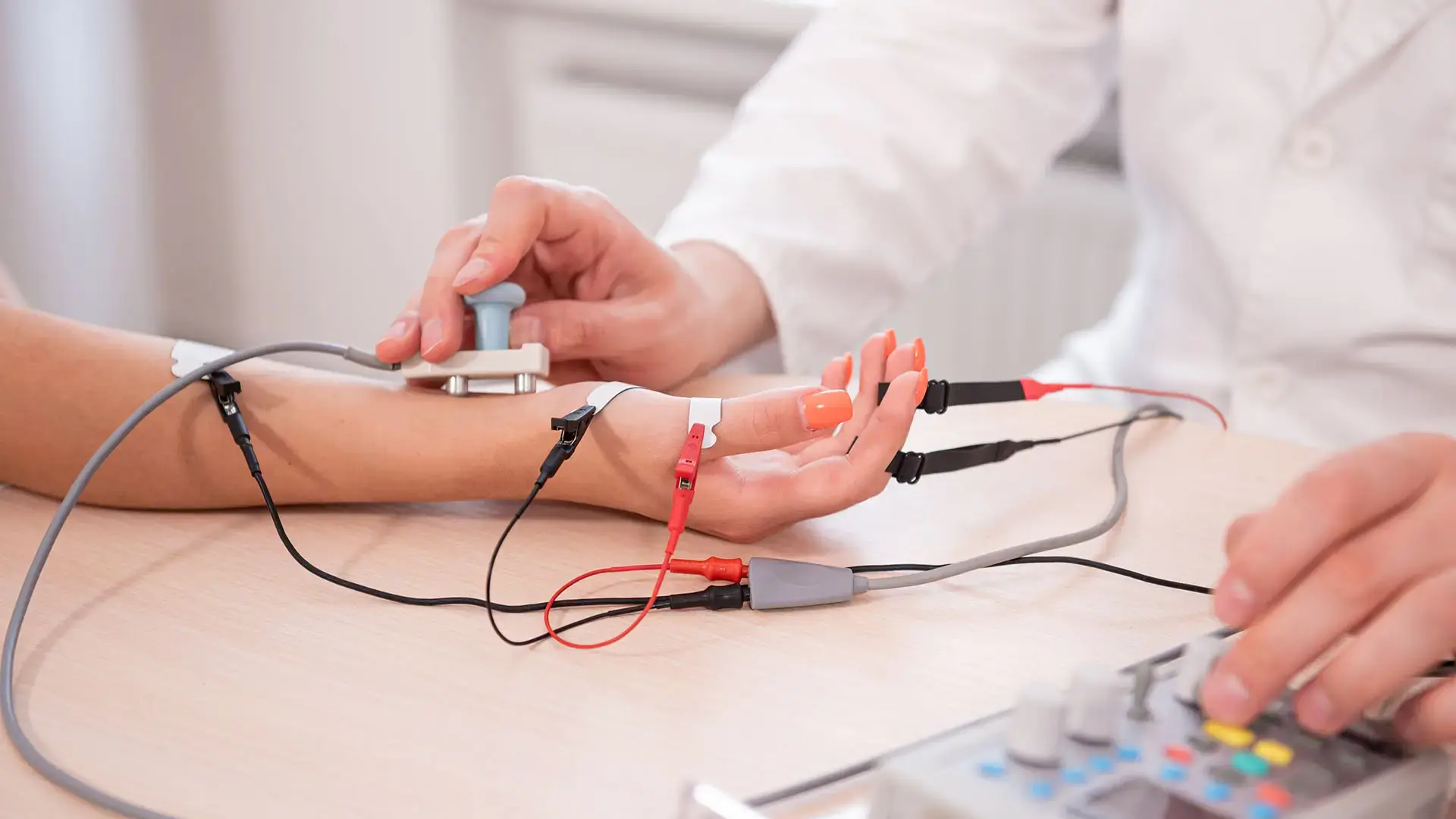
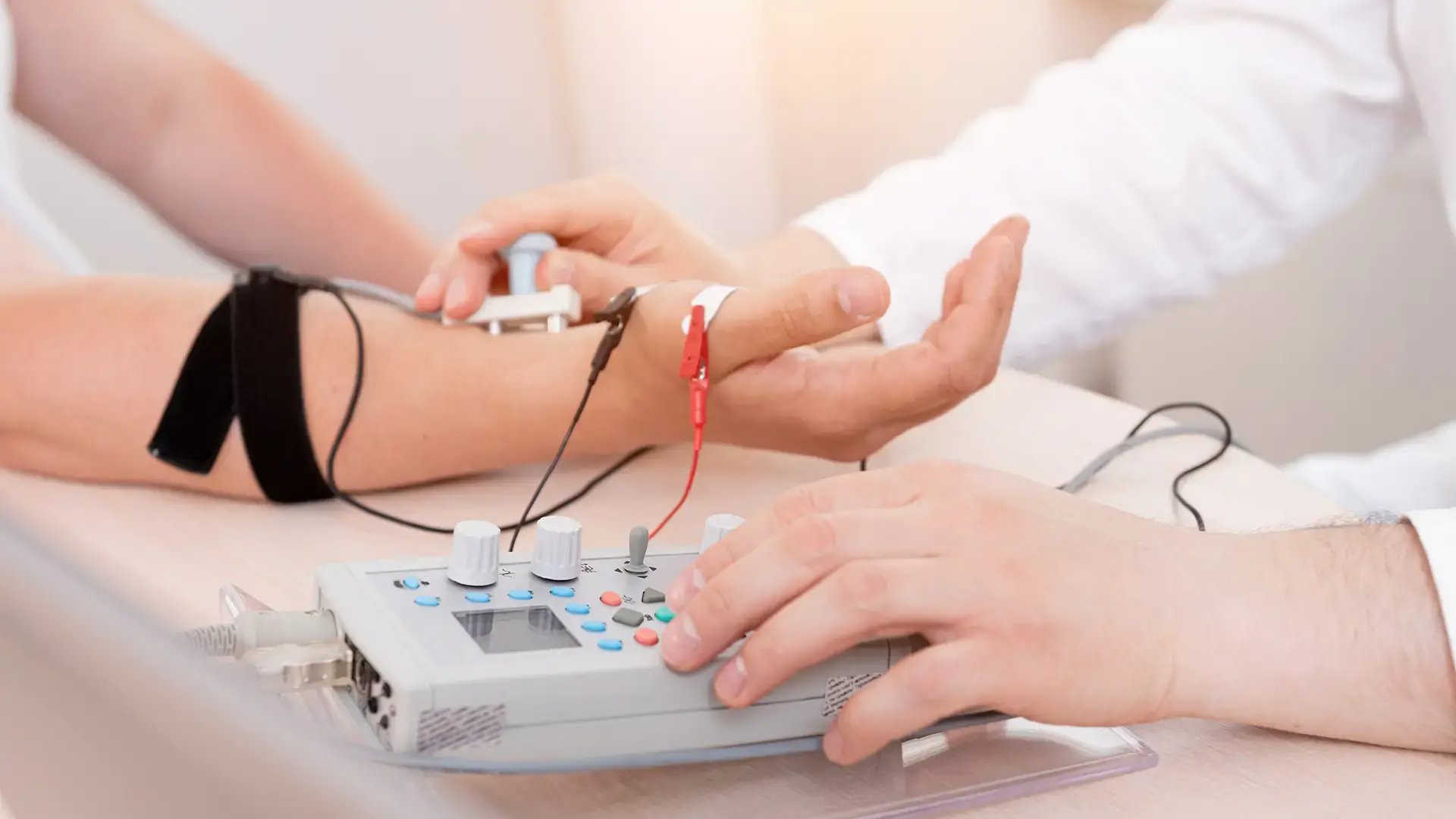
The nerve conduction study uses small surface electrodes to measure how quickly and effectively electrical signals travel through your nerves.
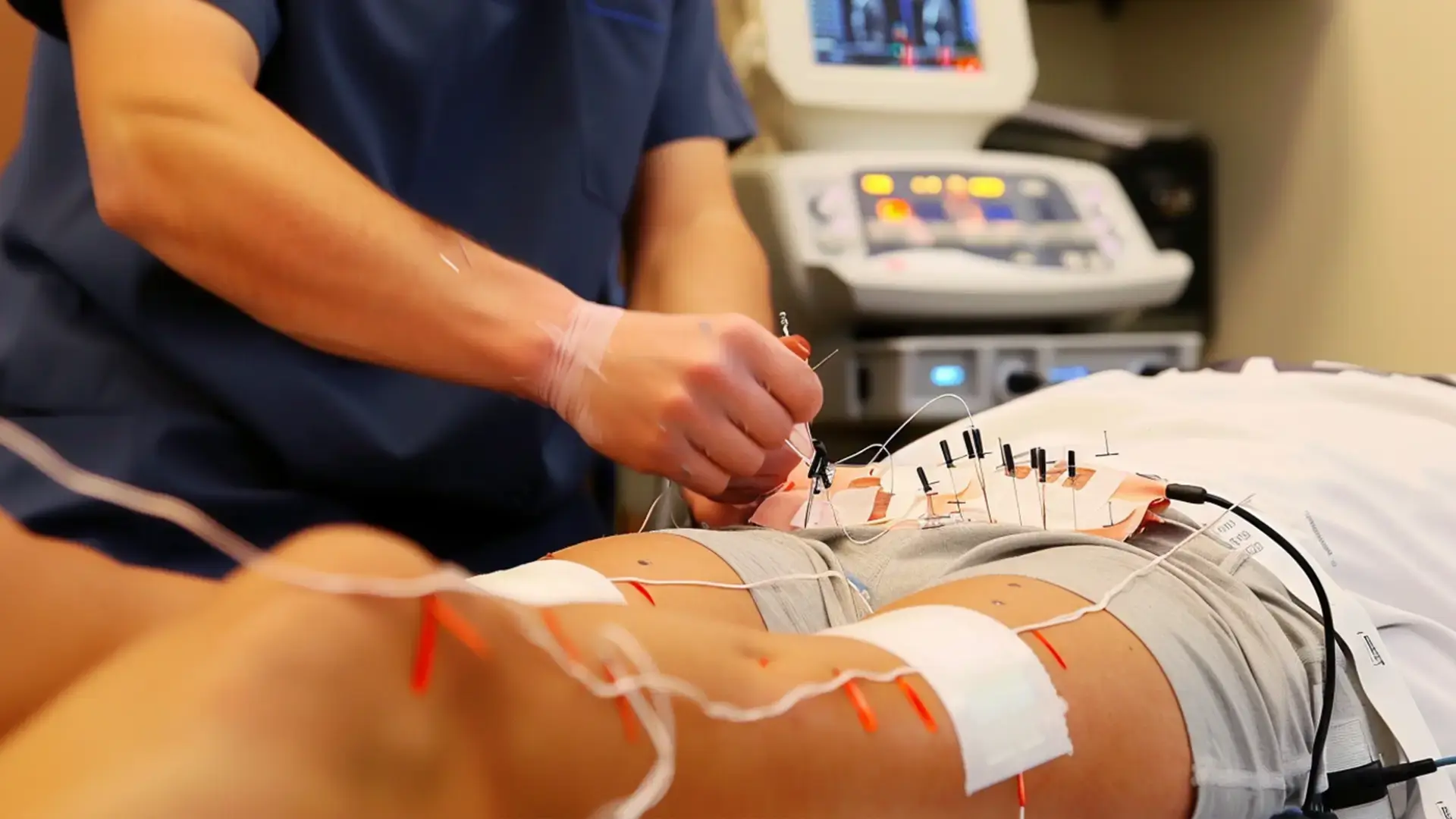
The EMG portion involves inserting a very thin needle into specific muscles to assess their electrical activity.
Together, these tests help diagnose conditions such as:
Electrodiagnostic testing often provides clarity when imaging alone does not tell the whole story. In many cases, it helps guide conservative, non-surgical treatment options—allowing patients to avoid unnecessary procedures.
How Much Does an EMG Test Actually Hurt?
Most patients describe the discomfort as mild to moderate. On a scale of 0 to 10, many report sensations in the 1-3 range.
Here is what patients commonly experience during electrodiagnostic testing:
- During the nerve conduction study: You will feel brief, small electrical pulses on the skin. Many describe this sensation as similar to a quick static shock. It is momentary and stops immediately after each pulse.
- During the EMG portion: The thin needle insertion may cause a quick, sharp sensation. This acupuncture size needle is significantly smaller than those used for injections or blood draws. Each muscle is tested briefly, and the needle is repositioned as needed.
Importantly, the discomfort only occurs during the test itself. There is no lingering stimulation once the procedure ends. For most patients, the anticipation is worse than the actual experience.
What to Expect During Electrodiagnostic Testing
A typical appointment lasts 30 to 60 minutes, depending on how many areas need evaluation.
During your visit:
- A trained team member will explain each step before it occurs.
- Small electrodes are placed on the skin for the nerve conduction study.
- Small electrical pulses are delivered to measure nerve response.
- A thin needle electrode is inserted into selected muscles for the EMG portion.
- You may hear muscle activity through an audio speaker—this is normal and helps the physician interpret results.
At Desert Spine and Sports Physicians, electrodiagnostic studies are performed and interpreted by physicians trained in Physical Medicine and Rehabilitation—not technicians. This ensures accuracy and clinical insight.
EMG vs Other Diagnostic Tests: Pain Comparison
Patients often ask how electrodiagnostic testing compares to other procedures.
In general:
- It is less uncomfortable than joint or spine injections.
- It feels less comfortable than a blood draw for the majority of patients.
- It does not involve radiation.
- It avoids the confined environment that can make MRI scans uncomfortable for some individuals.
While no medical test is entirely sensation-free, electrodiagnostic testing is brief and well-tolerated by the vast majority of patients.
How to Prepare for Your EMG Test to Minimize Discomfort
Preparation is simple, but essential. Before attending your electrodiagnostic test, be sure to:
- Avoid lotions or creams on the day of your test.
- Wear loose, comfortable clothing.
- Consider taking an over-the-counter pain reliever beforehand if advised by your physician.
- Communicate any concerns to your care team before starting.
Anxiety can heighten perception of discomfort. Knowing what to expect—and working with a team that explains each step—makes a measurable difference.
What Happens After Your EMG Test at Desert Spine?
Most patients return to regular activity immediately.
You may experience:
- Mild muscle soreness for 24–48 hours
- Minor bruising at needle insertion sites (occasionally)
Your results are reviewed by our board-certified physiatrists and pain management specialists, and a follow-up plan is developed based on objective findings.
Schedule Your EMG Test with Phoenix's Top-Rated Spine Specialists
Phoenix Magazine has recognized Desert Spine and Sports Physicians as Top Docs in Physical Medicine and Rehabilitation for 18 consecutive years. Our fellowship-trained physiatrists and pain management specialists have years of expertise diagnosing and treating spine and musculoskeletal conditions with a focus on restoring function—without unnecessary surgery.
If you are experiencing numbness, tingling, weakness, or persistent nerve-related symptoms and have been advised to undergo electrodiagnostic testing, our team is here to guide you through the process with precision and compassion.
Schedule your consultation today and take the next step toward lasting relief.

 March 6, 2026