When back pain from a herniated disc starts interfering with your routine, it’s natural to look for anything that might provide relief, including a back brace.
A lumbar support brace for a herniated disc can limit discomfort during activities. But while a brace may help get you moving again, it doesn’t treat the injured disc itself. For lasting improvement, Desert Spine and Sports Physicians can help you understand what’s causing your symptoms and explain treatments that address the source of your pain.
What Happens When a Disc Herniates — and Why It Hurts
The discs between the bones of your spine act like cushions to absorb shock while allowing your back to move comfortably. When the soft inner portion of a disc pushes through the tougher outer layer, it’s referred to as a herniated disc. If that material presses on a nearby nerve, it can lead to pain, numbness, tingling, or weakness.
Common herniated disc symptoms include:
- Pain in the lower back, buttocks, or leg (often called sciatica)
- Numbness or tingling that travels down one leg
- Muscle weakness in your leg or foot
- Pain that worsens with sitting, bending, coughing, or lifting
It’s important to know that not every herniated disc causes symptoms. When pain does occur, you want a treatment plan that relieves pressure on irritated nerves and helps your spine heal.
Do Lumbar Support Braces Actually Help with Herniated Disc Pain?
The short answer is yes, but only in certain situations.
A back brace for a herniated disc can restore stability to your lower back. Many people find that a lumbar support brace for lower back pain makes movement feel more manageable during a flare-up.
A brace may help by:
- Providing extra support during short periods of activity
- Limiting painful twisting or bending motions
- Improving posture while sitting or standing
- Helping you feel more comfortable during recovery
However, braces work best as a short-term tool. Wearing one for long periods may weaken the muscles that support your spine over time. For that reason, we recommend using a brace alongside treatments such as physical therapy, exercise, and other conservative techniques rather than instead of them.
How to Choose the Right Lumbar Support Brace for a Herniated Disc
Choosing the right brace for you depends on your symptoms, your level of activity, and your provider’s recommendations.
When shopping for a brace, look for one that offers:
- Firm but comfortable lumbar support
- Adjustable compression for a personalized fit
- Breathable materials that can be worn comfortably throughout the day
- A design that allows movement without feeling overly restrictive
Your physiatrist or pain management specialist can help you choose one that matches your condition if you’re unsure of which brace to buy.
Remember that a brace is meant to support recovery. As your symptoms improve, your provider will likely recommend reducing the amount of time you wear your brace.
When a Lumbar Brace Isn't Enough: Non-Surgical Treatments That Address Back Pain
If pain continues despite rest, activity modification, or brace use, it may be time to explore alternatives. At Desert Spine and Sports Physicians, we develop personalized non-surgical herniated disc treatment plans in Arizona tailored to your symptoms and lifestyle.
Your treatment options may include:
- Physical therapy to improve strength, flexibility, and spinal stability
- Anti-inflammatory or other medications, when appropriate
- An epidural steroid injection for a herniated disc to bring down swelling
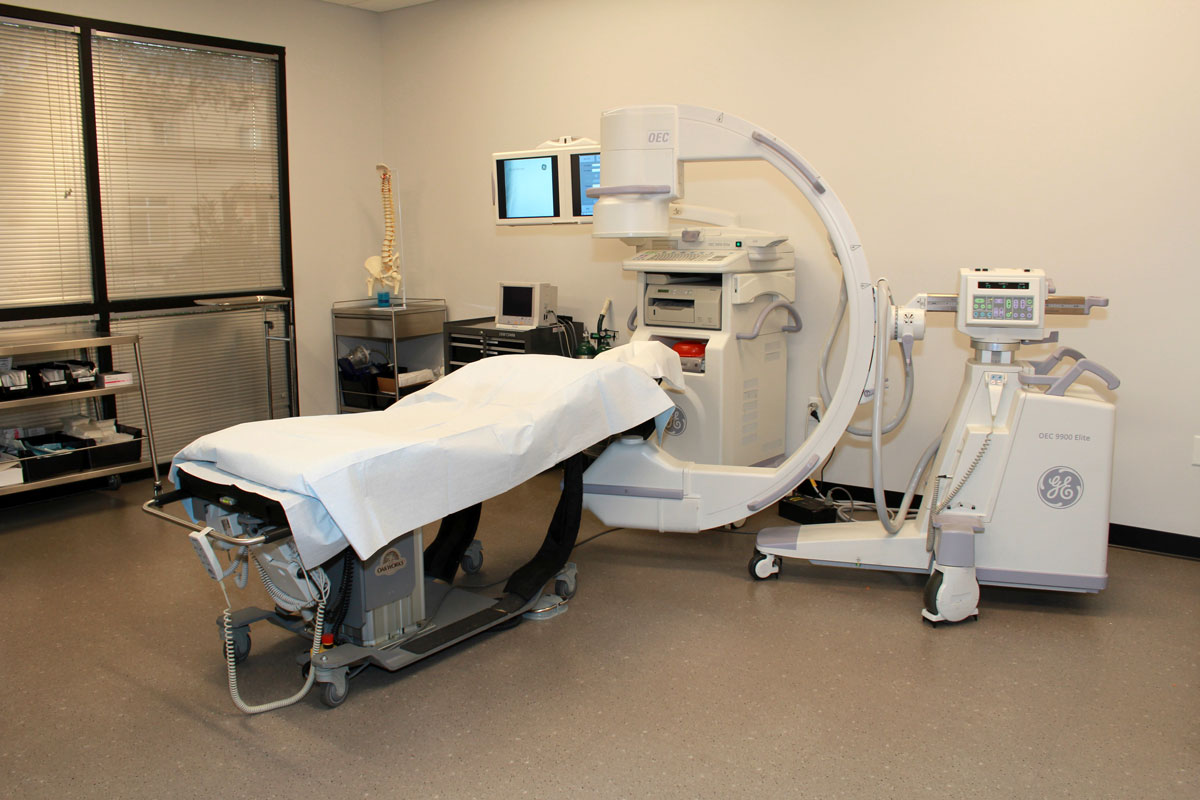
- Image-guided procedures for precise, targeted treatment
- PRP therapy for a herniated disc in select cases
Most people recover with conservative care and can return to the activities they enjoy without surgery.
More Than a Brace: Find Real Herniated Disc Relief at Desert Spine and Sports Physicians
While a back brace for herniated disc relief can be a helpful part of recovery, lasting improvement comes from a plan that addresses what’s actually driving your pain.
If back pain, sciatica, or other herniated disc symptoms are limiting your movement, the specialists at Desert Spine and Sports Physicians can help. We provide comprehensive lumbar disc herniation treatment in Arizona, including advanced, non-surgical options to help you get back to living comfortably.
If you're looking for a herniated disc specialist in Phoenix or elsewhere in the Valley, schedule a consultation with Desert Spine and Sports Physicians to learn which treatment options are right for you.


 July 10, 2026