If you’re dealing with joint, tendon, or soft-tissue pain, injections are often thought of as the first line of treatment, especially when rest, physical therapy, or medication haven’t provided sufficient relief. But once you start hearing terms like “cortisone shot” and “regenerative medicine,” it’s easy to feel unsure about which one makes sense for you.
The key is understanding that regenerative medicine vs steroids isn’t a “one is better” conversation—it’s about which problem you’re trying to treat and how you want to treat it.
Understanding Cortisone Injections: The Traditional Approach
Cortisone injections (also called steroid injections) reduce inflammation, which often leads to a noticeable decrease in pain.
Corticosteroid medications are synthetic versions of cortisol, a hormone your body naturally produces. They help reduce inflammation by suppressing the immune response that drives pain and swelling.
Cortisone injections are commonly used for conditions like:
- Arthritis-related joint pain
- Tendonitis and bursitis
- Overuse injuries with inflammatory irritation
- Certain spine-related pain conditions
These injections can provide relief on a relatively predictable timeline, with some people feeling improvement within a day or two.
What is PRP (Platelet-Rich Plasma) Therapy?
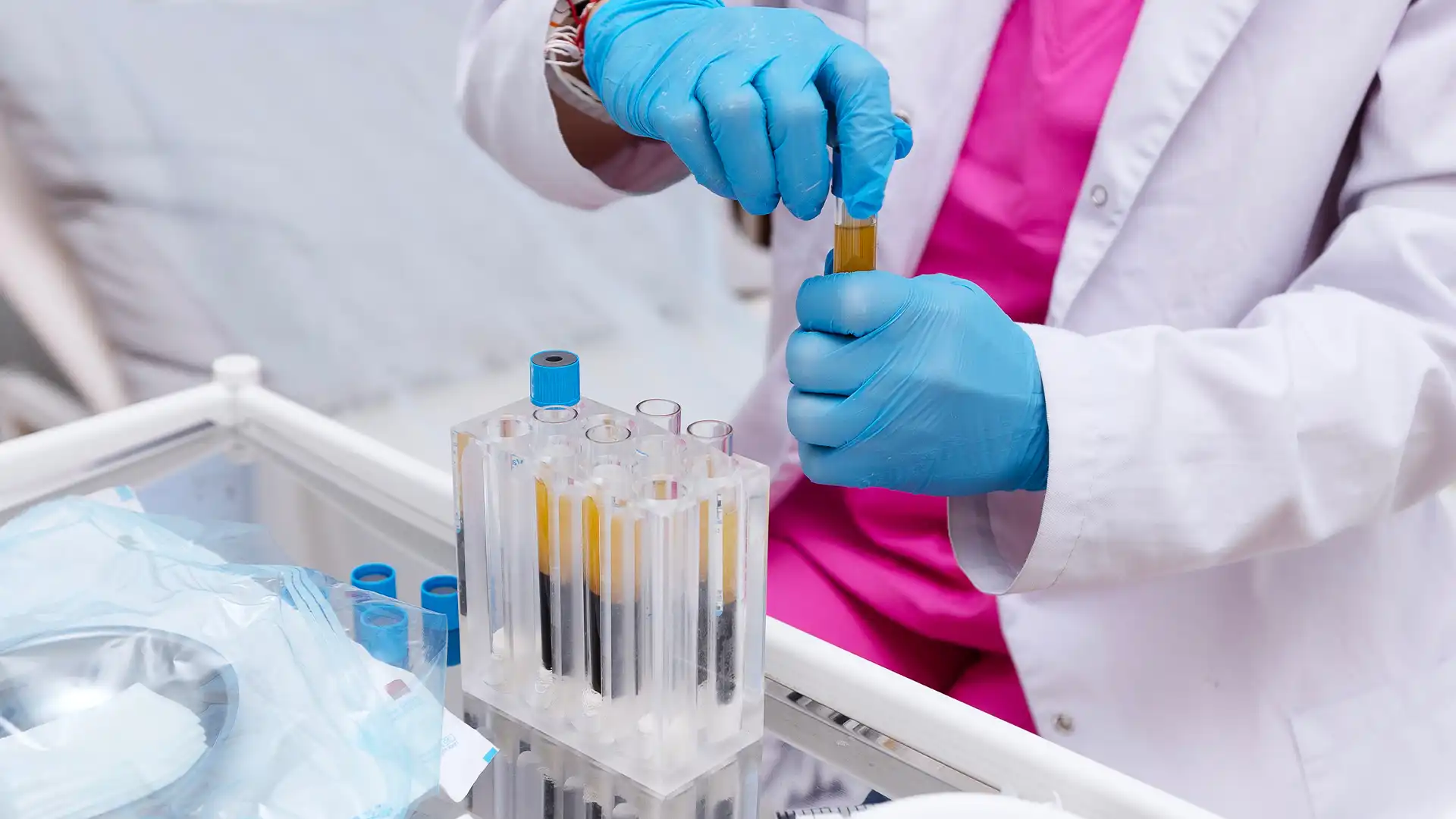
PRP is a concentrated portion of your blood that contains platelets and growth factors to encourage healing. Because platelet-rich plasma works differently from steroid injections, patients often compare these two treatments when exploring their options.
PRP is created through a simple process:
- A small blood draw is taken
- The sample is processed in a centrifuge to concentrate platelets
- The PRP solution is then injected into the targeted area
These injections may help boost healing in the tissue itself, which is why it’s often discussed as one of several cortisone injection alternatives.
Platelet-Rich Plasma vs Steroid Injection: Key Differences
If you’re trying to decide between regenerative medicine vs steroid injections, here’s a clear overview of how the two treatments differ.
|
Category
|
Cortisone Injection
|
PRP Injection
|
|
Primary purpose
|
Suppresses inflammatory response
|
Uses biological growth factors to promote recovery
|
|
Symptom relief timeline
|
Often faster (days to 1-2 weeks)
|
Gradual relief (weeks to months)
|
|
How long does it last
|
Often temporary (1-6 months)
|
Longer-lasting (1-2 years or longer in some cases)
|
|
Best fit for
|
Acute inflammation, flare-ups
|
Chronic degeneration or tendon/ligament injury
|
|
What it’s made from
|
Synthetic corticosteroid medication
|
Your own blood (autologous)
|
|
Common patient goal
|
“I need relief quickly.”
|
“I want to treat the underlying problem.”
|
|
Considerations
|
Repeated steroids not ideal
|
Not covered by insurance
|
Conditions Treated: When to Choose Each Option
The “right” injection depends on whether the problem is inflammation or ongoing tissue breakdown. Cortisone injections are often considered when the priority is rapid symptom relief, including situations such as:
- Acute inflammatory pain or flare-ups
- A short-term window of relief to progress in physical therapy
- Pre-surgical symptom management
- A therapeutic trial
PRP may be a better fit when symptoms reflect chronic tissue changes and the goal is long-term improvement. It may be considered for patients with:
Treatment Effectiveness and Duration of Relief
Both cortisone and PRP can be effective, but with cortisone, many patients experience:
- Symptom relief within days
- Improved mobility and comfort during flare-ups
- A temporary reduction in pain that supports progress in physical therapy or exercise
However, if degeneration, tendon wear, or chronic tissue injury are the underlying issues, symptoms may return once inflammation builds back up.
On the other hand, PRP injection benefits typically include:
- Gradual symptom reduction over several weeks
- Improved function as tissue recovery progresses
- Longer-term improvement for selected diagnoses
Side Effects and Risk Comparison
Both treatments are widely used and safe when performed by trained specialists. That said, side effects and risks do differ.
With cortisone injections, you may have:
- Temporary pain flare after injection
- Skin or fat thinning at the injection site
- Short-term elevation of blood sugar in some patients
Possible risks of PRP treatment may include:
- Soreness or stiffness at the injection site
- A short-term inflammatory response after treatment
Our physiatrists and pain management specialists follow all safety protocols and precision techniques, including image guidance, careful placement, procedural consistency, and patient monitoring.
Making the Right Choice with Desert Spine & Sports Physicians
Choosing between PRP and cortisone should not be a guess. And sometimes, PRP and cortisone may both play a role at different stages of recovery. The most important thing is selecting the right tool for the right time.
If you’re comparing regenerative medicine vs steroid injections and want an expert recommendation tailored to your diagnosis, schedule a consultation with the team at Desert Spine and Sports Physicians. Our experts will help you understand your options and build a plan focused on lasting results.


 January 30, 2026





.png)