An EMG test can answer important questions about symptoms like pain, numbness, tingling, and weakness. But once the test is over, you may have questions: Will the EMG test show nerve damage? Is soreness after the test normal? What do my results mean for my treatment plan?
With a better understanding of what to expect after an EMG test, you and your physician can make more informed decisions together about treatment and the path forward.
Understanding Your EMG Results: What the Numbers Actually Mean
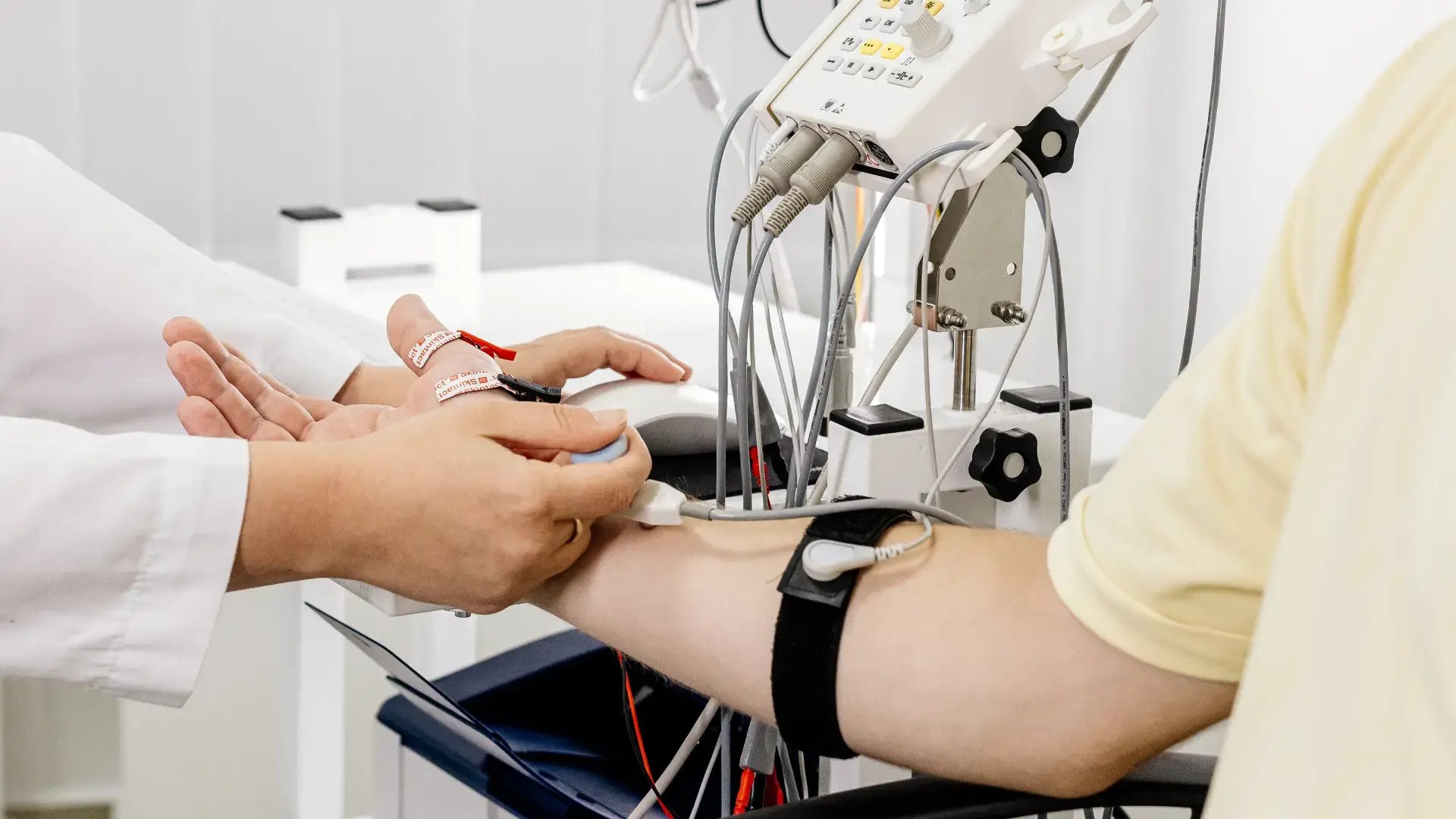
An electromyography (EMG) test is performed alongside a nerve conduction study (NCS). Together, these electrodiagnostic tests evaluate how well your nerves and muscles communicate.
When reviewing EMG test results, your physician looks at several measurements, including how quickly electrical signals travel through nerves and how your muscles respond when activated. While the report may contain technical terms and numerical values, the most important takeaway is what those findings reveal about your symptoms.
For instance, EMG testing can help identify:
In some cases, nerve conduction study results and EMG findings are normal. That information is valuable too, as it helps your physician rule out conditions and focus on other possible causes of pain or weakness.
EMG Recovery in Arizona: What to Expect After an EMG Test
Most patients recover quickly after an EMG and nerve conduction study. The procedure doesn’t require anesthesia, and you can typically return to work, driving, and other activities immediately afterward.
It's common to experience mild soreness in the muscles that were tested. We sometimes hear it described as similar to what you might feel after a workout or receiving a small injection.
After your EMG, you may notice:
- Mild muscle soreness that lasts no longer than one to two days
- Temporary tenderness at the needle insertion sites
- Minor bruising in some areas
Applying ice packs and staying hydrated may help soothe discomfort. If soreness continues beyond a few days or you notice unusual symptoms, contact your doctor.
From EMG Results to Treatment: Non-Surgical Next Steps
One of the most important benefits of EMG testing is that it helps guide treatment decisions.
Rather than relying on symptoms alone, physicians use electrodiagnostic testing to pinpoint whether pain, weakness, or numbness and tingling is coming from a nerve or muscle, from a spine condition, or another source.
Depending on your diagnosis, your treatment plan may include:
At Desert Spine and Sports Physicians, physiatrists and pain management specialists use EMG findings as one piece of a comprehensive evaluation. Your results help us develop a personalized, non-surgical treatment plan that helps relieve pain and restore function.
Your EMG Test Results Explained: Common Misconceptions
Patients often leave their appointment with questions about what an EMG can and can’t tell them.
Here are a few common misconceptions:
- A normal EMG means nothing is wrong. Some conditions may not appear on electrodiagnostic testing, and additional evaluation may still be needed.
- If you have an abnormal EMG, you need surgery. This is false. Many nerve and muscle related conditions respond well to conservative, non-surgical treatment.
- EMG results provide every answer immediately. Results are one important piece of the diagnostic puzzle and must be interpreted alongside your medical history, physical exam, and imaging studies.
- Nerve damage is always permanent. Some nerve injuries improve significantly with time and the right treatment.
- The more abnormal the results, the worse the symptoms should feel. Test findings and symptom severity don’t always correlate perfectly.
Understanding these distinctions can help you avoid unnecessary anxiety when you go to review your results.
Ready to Understand Your Results? Our EMG Physiatrists in Phoenix Are Here to Help
An EMG test for nerve damage is designed to provide answers, not confusion. Whether your results point to nerve compression, peripheral neuropathy, or another condition, the next step is understanding what those findings mean for your daily life and treatment options.
At Desert Spine and Sports Physicians, our board-certified physiatrists and pain management specialists use electrodiagnostic testing in Arizona to identify the source of symptoms and develop individualized treatment plans. If you're looking to complete your comprehensive evaluation with an EMG for chronic pain, our team is here to help you move forward.
Schedule a consultation today to discuss your EMG results and explore non-surgical nerve treatment in Arizona tailored to your needs.

 June 12, 2026